cropper
update

Market Brand Pro

update
  • Home
  • Categories
    • Yoga Studios
    • Chiropractors
  • All Posts
  • Yoga Studios
  • Chiropractors
May 02.2025
1 Minute Read

The Art of Waking Up: Understanding Yoga's Core Philosophy

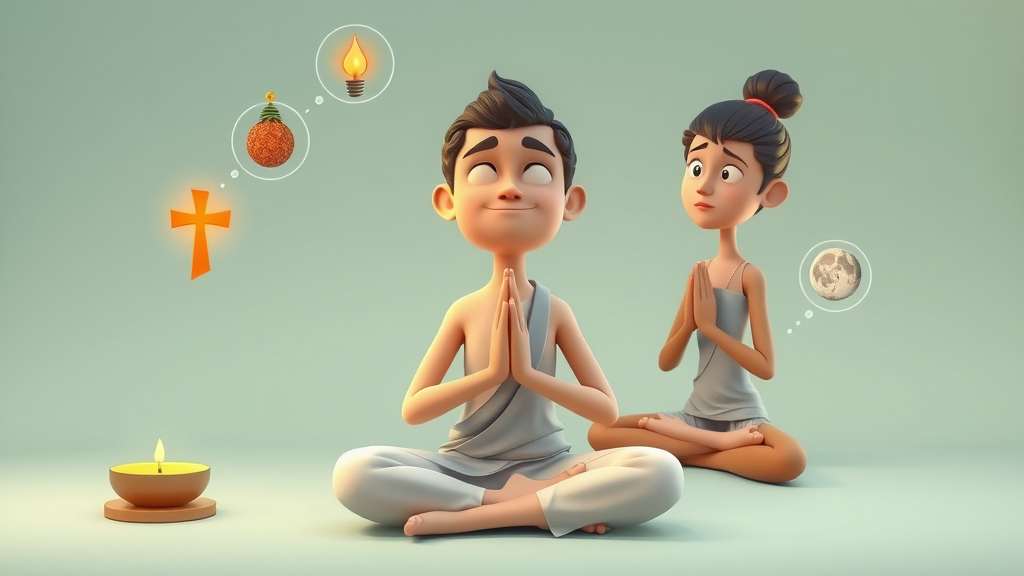
Yoga is not just a practice; it is a profound journey into oneself, a way to connect with the deeper layers of existence. In a world filled with distractions, understanding the essence of yoga philosophy offers clarity and purpose. This article dives deep into the fundamental aspects of yoga philosophy, providing insights that will help you awaken to your true self.

Overview of Yoga Philosophy

Defining Yoga Philosophy

Yoga philosophy encompasses a variety of philosophical concepts and practices aimed at achieving spiritual enlightenment. Originating from ancient India, it is a holistic approach that integrates the mind, body, and spirit. At its core, yoga is about uniting the individual self with universal consciousness. Throughout its teachings, yoga encourages practitioners to explore their inner world and cultivate a life of balance and harmony.

The Importance of Awareness in Yoga

Awareness is a crucial component of yoga philosophy . It allows individuals to observe their thoughts, emotions, and actions without judgment. This heightened state of mindfulness enables practitioners to live in the present moment, leading to a more fulfilling and authentic existence. By fostering awareness, yoga cultivates a deeper connection with the self and enhances one’s ability to navigate through life’s challenges.
The Core Principles of Yoga Philosophy

The Eight Limbs of Yoga

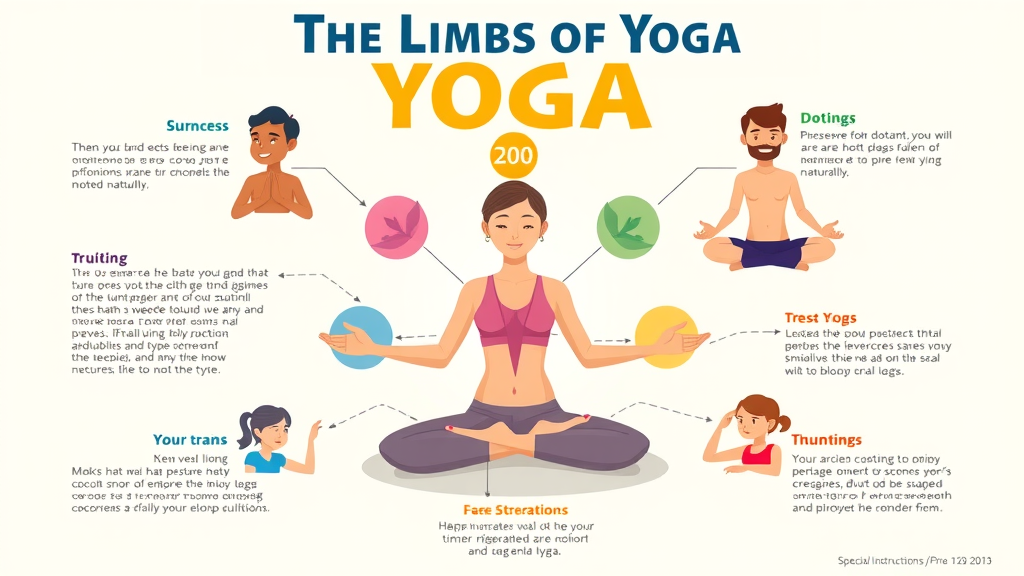
The foundation of yoga philosophy lies in Patanjali's Yoga Sutras, which outline the Eight Limbs of Yoga . These limbs serve as a guide to living a meaningful and purposeful life. They include:

  1. Yama: Ethical standards and sense of integrity.
  2. Niyama: Self-discipline and spiritual observances.
  3. Asana: Physical postures practiced in yoga.
  4. Pranayama: Breath control techniques.
  5. Pratyahara: Withdrawal of senses.
  6. Dharana: Focused concentration.
  7. Dhyana: Meditation or contemplation.
  8. Samadhi: A state of ecstasy or absorption.

The Yamas and Niyamas

The Yamas (ethical standards) and Niyamas (personal observances) form the first two limbs of yoga and lay down the moral foundation that guides practitioners. The Yamas include principles such as ahimsa (non-violence) and satya (truthfulness), while the Niyamas emphasize self-discipline and spiritual growth through practices like tapas (self-control) and svadhyaya (self-study). Integrating these principles into daily life fosters a compassionate and mindful existence.
The Role of Meditation and Mindfulness

Meditation is a significant practice within yoga philosophy , serving as a tool for deepening awareness and fostering inner peace. By cultivating mindfulness through meditation, individuals can develop a greater understanding of their thoughts and emotions, leading to a more balanced life. Regular meditation practice also enhances focus and mental clarity, allowing practitioners to navigate their lives with intention.

The Bhagavad Gita and Its Influence on Yoga Philosophy

Key Teachings from the Bhagavad Gita

The Bhagavad Gita is a pivotal text in yoga philosophy, presenting an intricate dialogue between Lord Krishna and Arjuna that explores complex themes such as duty, righteousness, and the nature of the self. One of the core teachings is the importance of performing one’s duty without attachment to the results, a concept known as Karma Yoga . This principle encourages individuals to act in accordance with their dharma (duty) while maintaining a detached perspective towards success or failure.

How the Bhagavad Gita Shapes Modern Yoga Practice

Modern yoga practices draw heavily from the teachings of the Bhagavad Gita . The text inspires practitioners to commit to their paths with authenticity, approaching their practice as not merely physical but as a spiritual voyage. The Gita's advocacy for self-awareness and mindfulness resonates deeply with contemporary practitioners, cementing its relevance in today’s world.

Practical Applications of Yoga Philosophy

Integrating Yoga Philosophy into Daily Life

To truly embody yoga philosophy , integrating its principles into everyday life is essential. This can be achieved through simple practices such as mindful breathing, ethical living, and daily self-reflection. These practices not only enhance overall well-being but also foster a sense of community and connectedness with others. For those new to yoga, starting with a beginner-friendly approach can be beneficial. Consider exploring Yoga For Beginners - A Little Goes a Long Way to ease into the practice.

Yoga Philosophy in Schools and Communities

Implementing yoga philosophy in schools and community centers has demonstrated significant benefits for individuals of all ages. Teaching yoga principles in educational settings instills mindfulness and compassion in students, equipping them with tools to handle stress and improve focus. Furthermore, community yoga initiatives promote inclusivity and shared well-being, reinforcing the interconnectedness of all beings. For a practical session to start your day, try Greet The Day Yoga .

Expert Insights on Yoga Philosophy

"Yoga is really the art of waking up. Getting back to the true you. It can be that simple." - Adriene Mishler, Yoga With Adriene

Adriene's Perspective on Yoga's Impact

Adriene Mishler, the face behind Yoga With Adriene, emphasizes that yoga is accessible to everyone regardless of age or background. Her mission is to make the tools of yoga available to as many people as possible, fostering a global community that embraces mindfulness, compassion, and self-discovery. For more insights, explore her thoughts on The Courage To Show Up. That Is Where It Starts.

Best Practices for Embracing Yoga Philosophy

Embracing yoga philosophy requires consistency and commitment. Key practices include setting aside time each day for yoga and meditation, aligning one’s lifestyle with yogic values, and engaging in community practices. By dedicating oneself to these principles, individuals can cultivate a deep sense of inner peace and personal growth.

Common Misconceptions about Yoga Philosophy

Debunking Myths Surrounding Yoga

Many misconceptions about yoga persist, including the belief that it is solely about physical postures. While asanas are a significant aspect, true yoga extends beyond the mat. It is a comprehensive practice that encompasses physical, mental, and spiritual dimensions. Understanding yoga as a holistic journey helps dispel these myths.

Clarifying the True Essence of Yoga

The true essence of yoga lies in its ability to unite. It promotes harmony not only within the self but also with the world around us. By focusing on connection and mindfulness, yoga serves as a powerful reminder of our shared humanity and the importance of living with intention.

Key Takeaways from Yoga Philosophy
Summary of Core Concepts

  • Awareness: Cultivating a mindful presence.
  • The Eight Limbs: Principles guiding yoga practice.
  • Community: The importance of shared experiences within yoga.

Encouragement to Explore Further

Whether you’re a seasoned practitioner or just beginning your journey, exploring the depths of yoga philosophy can lead to transformative experiences. Consider attending workshops, reading classical texts, and connecting with the yoga community to deepen your understanding.

FAQs about Yoga Philosophy

What is the philosophy of yoga?

The philosophy of yoga comprises the principles and practices that promote physical, mental, and spiritual well-being through the art of self-discovery and mindfulness.

What are the 5 principles of yoga?

The five principles of yoga often include proper exercise (asana), proper breathing (pranayama), proper relaxation, proper diet, and positive thinking (vedanta).

What is the basic theory of yoga?

The basic theory of yoga revolves around the connection of the mind, body, and spirit, emphasizing the journey of self-realization and enlightenment.

What are the five elements of yoga philosophy?

The five elements of yoga philosophy include breath (prana), body (asana), mind (meditation), heart (bhakti), and consciousness (vipassana).

Conclusion

Final Thoughts on Embracing Yoga Philosophy

Embracing yoga philosophy is a journey of awakening to the richness of life. By integrating its principles into daily practices, we can cultivate mindfulness, compassion, and a sense of community.

Call to Action

Join the global community of yoga practitioners and explore the transformative power of yoga philosophy today. As Adriene Mishler wisely puts it, "The process is the candy. Enjoy!"

"The process is the candy. Enjoy!" - Adriene Mishler, Yoga With Adriene

Video: Understanding Yoga Philosophy

A short explanatory video exploring the philosophical aspects of yoga with insights from practitioners and experts, educational tone, and engaging visuals.

Yoga Studios

44 Views

0 Comments

Write A Comment

*
*
Please complete the captcha to submit your comment.
Related Posts All Posts
05.06.2025

The Journey of Adriene Mishler: From Actress to Yoga Icon

Adriene Mishler is not just a name; she embodies the spirit of transformation. Starting as an actress, she carved an incredible niche in the world of yoga, amassing millions of followers globally. If you’re curious about her inspiring biography , you've come to the right place. With each yoga session, she emphasizes the notion that yoga is not just a practice but a pathway to authenticity. Let’s delve into her remarkable journey. Overview of Adriene Mishler's Early Life and Career Background and Education Adriene was born in Austin, Texas, where she began her foray into performing arts at an early age. Despite her early passion for acting, her educational pursuits took her to the University of Texas at Austin, where she studied drama. This foundation included not only acting courses but also classes in creative writing and film. Her diverse education helped her develop a nuanced understanding of storytelling, which she later channeled into her yoga teachings. For more insights into her journey as an Austin yoga instructor , explore her archives. Transition from Acting to Yoga While Adriene started her career in theater, she found herself drawn to yoga as a way to navigate the stressors of performance life. This pivot was not abrupt; it was a gradual realization of how profoundly yoga affected her well-being and self-awareness. In her words, "Yoga is really the art of waking up," reflecting her journey from actress to yoga instructor. Her transition highlights how the necessity of mental balance and emotional health can lead one down unexpected paths. The Rise of Yoga With Adriene Creating a Global Community In 2012, Adriene launched her YouTube channel, Yoga With Adriene , which rapidly gained traction. Today, it boasts over 12 million subscribers who embark on their yoga journeys through her easy-to-follow videos and inclusive approach. Adriene's teachings resonate with a wide audience because she creates a sense of community, encouraging everyone to come as they are and find relief in the practice of yoga. Discover how her Morning Yoga Flow can start your day with positivity. Impact of Yoga with Adriene on Mental Health The global impact of Yoga With Adriene cannot be understated. As people sought solace during challenging times, her videos provided physical exercises coupled with mental wellness advice. Adriene’s approach emphasizes mindfulness, which cultivates a deeper connection between physical practice and mental health. The prominence of her channel reflects a growing acknowledgment of yoga as a powerful tool for mental well-being. For those dealing with chronic pain, her Yoga for Chronic Pain series offers tailored support. Video: The Global Reach of Yoga With Adriene A montage capturing the growth and global reach of Yoga With Adriene, including images of diverse practitioners, virtual class excerpts, and community events. Your browser does not support the video tag. Adriene's Teaching Style and Philosophy Find What Feels Good Approach An essential part of Adriene’s philosophy is encapsulated in her phrase "Find What Feels Good." This approach encourages practitioners to listen to their bodies and honor their individual needs. She dispels the myth that yoga requires perfection and instead champions an intuitive practice where participants reconnect with their authentic selves. This personal touch has made her teachings resonate on a deeper level with her followers. Inclusivity in Yoga Adriene is a staunch advocate for inclusivity in yoga. Her classes are designed to welcome practitioners of all sizes, backgrounds, and experience levels. This philosophy of inclusion promotes the idea that yoga is accessible to everyone, not just a select few. By doing so, she dismantles barriers and stereotypes, making yoga a universal practice that celebrates diversity. Achievements and Recognition Awards and Accolades Adriene's influence in the wellness industry has garnered numerous awards and accolades. Recognized as one of the most searched workouts by Google in 2015, her contributions to yoga education are undeniable. She has won a Streamy in Health and Wellness, solidifying her place as an authoritative voice in the field. Media Recognition Beyond awards, Adriene has been featured in prominent publications and media outlets, including The Wall Street Journal, which acknowledged her significant role in popularizing yoga online. Her work shines a spotlight on the importance of mental health and physical well-being, two areas increasingly gaining recognition in today’s busy world. The Future of Yoga with Adriene Expanding the Community Looking ahead, Adriene plans to continue expanding the Yoga With Adriene community. She aims to foster connections that promote collaborative learning experiences and inclusivity within yoga practices. This vision will likely include new online workshops, enhanced community engagement activities, and interactive platforms for deeper connection. Innovations in Online Yoga Teaching As technology evolves, Adriene stays at the forefront of online yoga teaching. Innovating new ways to engage with her community through virtual classes and creative challenges helps keep her platform fresh and inclusive. She prioritizes adapting her teachings to cater to an evolving audience, ensuring that her approach remains relevant. Expert Insights & Quotes “Yoga is really the art of waking up. Getting back to the true you. It can be that simple.” - Adriene Mishler, Yoga With Adriene People Also Ask What is the religion of Adriene Mishler? Adriene’s spiritual practices reflect a blend of various philosophies often rooted in mindfulness and self-discovery, rather than formal religion. How did Adriene Mishler get into yoga? She initially turned to yoga as a way to manage stress during her acting career, where she discovered its deeper benefits for mental and emotional health. How does yoga with Adriene make money? Revenue comes from various sources, including YouTube ad income, subscriptions to premium content on her website, merchandise sales, and partnerships. What is Adriene Mishler's education? Adriene holds a degree in drama from the University of Texas at Austin, which has influenced her teaching style and communication. Key Takeaways Adriene Mishler inspires millions through her community-oriented approach to yoga. She promotes inclusivity and authenticity, making yoga accessible to all. Her impact on mental health and wellness is profound, encouraging practitioners to prioritize self-care. Adriene continues to innovate within the online yoga space, ensuring her teachings evolve with her audience. Conclusion Adriene Mishler's journey from an actress to a yoga icon is a testament to following your true calling. With her unwavering dedication to promoting well-being and self-discovery through yoga, she stands as a beacon for many. The lessons she imparts resonate far beyond the yoga mat, encouraging her audience to reflect on their own journeys toward authenticity. Call to Action Are you ready to embark on your own journey of self-discovery through yoga? Subscribe to Adriene's channel and join the global yoga community that aims to uplift and inspire.

05.05.2025

Yoga for Everyone: Embracing Diversity in Practice

Yoga is more than just a physical practice; it is a journey of self-discovery and transformation. Whether you're a seasoned yogi or a beginner, the benefits of yoga extend beyond the mat, influencing your mental, emotional, and spiritual well-being. Why Revisit Yoga Practices? Revisiting and refining your yoga practice can lead to profound insights and growth. Recently, I re-did a video and shared my reasons for doing so in a detailed blog post . This reflection allowed me to connect deeper with my practice and understand the nuances of each pose. Exploring Free Yoga Resources For those looking to explore yoga without financial constraints, there are numerous free yoga videos available online. These resources provide a great starting point for anyone interested in incorporating yoga into their daily routine. Yoga in Everyday Life Integrating yoga into everyday life can be as simple as practicing Sukhasana, or The Easy Pose , which promotes relaxation and mindfulness. This pose is perfect for centering yourself amidst a busy day. Conclusion Yoga is a powerful tool for personal growth and self-discovery. By revisiting practices, utilizing free resources, and incorporating simple poses into daily life, you can unlock the transformative power of yoga. Remember, the journey is personal, and you are your own best cheerleader.

05.05.2025

How Can You Incorporate Yoga into Your Daily Routine? Tips and Tricks

Have you ever wondered how integrating a yoga daily routine could transform your life? In today’s fast-paced world, finding time for physical and mental well-being can be challenging. This article presents valuable tips and tricks on how to seamlessly incorporate yoga into your routine, making it a vital part of your everyday life. Understanding the Importance of a Yoga Daily Routine What is a Yoga Daily Routine? A yoga daily routine involves consistently practicing yoga to promote holistic well-being. It's not just about physical postures; it encompasses a mindful approach to breathing, meditation, and lifestyle adjustments that foster a heightened state of awareness and relaxation. Practicing yoga daily can vary in form and duration. For some, it might mean a full hour session every morning, while others may incorporate just a few minutes of stretching and mindfulness techniques throughout the day. The key is consistency and adaptability to individual schedules. Benefits of Incorporating Yoga into Your Daily Life Physical Fitness: Enhances strength, flexibility, and balance. Stress Reduction: Promotes mental clarity and emotional stability. Improved Focus: Increases concentration and productivity in daily tasks. Enhanced Sleep Quality: Aids in relaxation, paving the way for restorative sleep. As Adriene Mishler, founder of Yoga With Adriene, highlights, “Yoga is really the art of waking up. Getting back to the true you. It can be that simple.” Indeed, a yoga daily routine can foster a profound connection to oneself and the world around. Creating Your Morning Yoga Routine Essential Yoga Poses for Morning Practice Starting your day with a few simple yoga poses can set a positive tone. Here are essential poses to include in your morning routine: Sun Salutations: A great sequence to awaken the body and energize the mind. For a detailed guide, check out Morning Yoga - Yoga To Start Your Day . Downward Dog: Stretches the entire back and strengthens the arms and legs. Child's Pose: Offers a calming reset, promoting mindfulness and a gentle stretch. Sample Morning Yoga Routine A sample routine could look like this: 5 minutes of deep breathing 10 Sun Salutations 5 minutes of seated meditation This routine can be completed in just 20 minutes, giving you a peaceful start to your day. For more inspiration, explore Gentle Morning Yoga . Incorporating Yoga Throughout Your Day Yoga Poses for the Workplace Incorporating yoga poses into your workday is a fantastic way to alleviate tension and enhance focus. Here are a few poses you can easily perform at your desk: Seated Spinal Twist: Improves spinal mobility and digestion. Neck Rolls: Releases tension and improves circulation. Wrist and Finger Stretches: Prevents stiffness, especially if you type for long hours. Mindfulness and Breathing Techniques Mindfulness is a key component of a successful yoga daily routine . Incorporate breathing exercises such as Box Breathing or the 4-7-8 technique to enhance relaxation and focus throughout your day. Even five minutes can help reset your mind and body. Evening Yoga Practices for Relaxation Best Yoga Poses to Wind Down As the day ends, engaging in calming yoga practices helps release the worries of the day. Ideal poses include: Legs-Up-the-Wall Pose: A restorative pose that decreases anxiety and promotes relaxation. Forward Bend: Reduces tension in the spine and neck, preparing you for sleep. Corpse Pose: A simple yet effective pose to fully relax and integrate your day’s practices. Creating a Calming Evening Routine Consider dedicating the last 20 minutes before bed to a calming yoga sequence. Combine gentle stretches with deep breathing exercises for a perfect wind-down routine. Expert Insights on Daily Yoga Practice “Enjoy the process of yoga and remember that everything is connected.” - Adriene Mishler, Yoga With Adriene Adriene's Tips for Beginners For those new to yoga, start slow and listen to your body. Adriene emphasizes not overexerting yourself and finding joy in every practice. “Whether it's five minutes or an hour, listen to what your body needs,” she advises. For a beginner-friendly pose, explore the Cat Cow Pose . Common Mistakes to Avoid Avoid pushing your body beyond its limits. Prioritize form over frequency, and remember that every session doesn’t have to be perfect. Focus on what feels good and progress from there. Frequently Asked Questions about Daily Yoga Which yoga is best for daily routine? Hatha yoga or Vinyasa yoga is great for beginners as it emphasizes breathing and fluid movement. Choosing what feels right for you is crucial. Is it OK to just do yoga every day? Yes, practicing yoga every day can be beneficial if listening to your body. Varying the intensity and style can help maintain motivation. What happens if I do 30 minutes of yoga every day? Regular practice can lead to improved flexibility, strength, and stress management, enhancing overall quality of life. Is 20 minutes of yoga a day enough exercise? Absolutely, 20 minutes of yoga can provide significant physical and mental benefits, especially for beginners or those with busy schedules. Key Takeaways for Your Yoga Daily Routine Summary of Benefits Incorporating a yoga daily routine can lead to enhanced physical health, improved mental clarity, and increased emotional resilience. Final Thoughts on Incorporating Yoga As you embark on your journey of including yoga into your daily life, remember to embrace the process and explore what best suits you and your lifestyle. Conclusion Incorporating yoga into your daily routine doesn't need to be daunting; with consistent practice and mindfulness, it can become a cherished part of your life. Start with small steps and gradually build upon them. Enjoy the journey, and allow yoga to awaken and connect you with your true self! Call to Action Ready to integrate yoga into your daily routine? Check out our tutorial video on how to incorporate yoga into your daily life! “Enjoy the process of yoga and remember that everything is connected.” - Adriene Mishler, Yoga With Adriene

Terms of Service

Privacy Policy

Core Modal Title

Sorry, no results found

You Might Find These Articles Interesting

T
Please Check Your Email
We Will Be Following Up Shortly
*
*
*